Ireland Time Now: Guide to Ireland’s Time Zone, Culture, and Daily Rhythm
Time isn’t just about numbers on a clock, it shapes how people live, connect, and experience their days. When you talk about Ireland time now, it’s more than checking the current hour. It’s about understanding how time moves through Irish culture, how daylight and seasons influence daily life, and what makes time in Ireland feel unique.
From my own personal experience, Ireland has a rhythm that blends calmness with charm. Time feels slower in some ways, especially when you walk through small towns or watch the sunset over the cliffs. Yet, it’s also efficient and well-structured, especially in cities like Dublin, Cork, or Galway. Let’s jump into everything you should know about Ireland’s time zone, how it changes through the year, and how it affects work, travel, and daily life.
Let’s Understand Ireland’s Time Zone
The Basics of Ireland’s Time Zone
Ireland operates under Greenwich Mean Time (GMT) during the winter months and switches to Irish Standard Time (IST) in the summer. That means Ireland is in sync with London and other regions using GMT during part of the year, but during summer, it’s one hour ahead.
To break it down:
Standard Time (Winter): GMT (UTC+0)
Daylight Saving Time (Summer): IST (GMT+1)
This system helps Ireland make the most of natural daylight. When clocks move forward in late March, evenings stay brighter longer, perfect for enjoying those long summer walks, outdoor events, and scenic drives along the coast.
When Ireland Changes the Clock
Every year, Ireland changes its clocks twice:
Clocks go forward one hour on the last Sunday in March (from 1:00 AM to 2:00 AM).
Clocks go back one hour on the last Sunday in October (from 2:00 AM to 1:00 AM).
So, if you’re planning a trip, it’s smart to double-check the date so you don’t miss a flight or appointment by an hour. This practice aligns with most European countries that also adjust for daylight saving time.
The Meaning of “Ireland Time Now”
When people ask, “What time is it in Ireland right now?” they usually mean current local time — but the deeper layer is about how Ireland experiences time culturally and socially. Time in Ireland has a softer feel compared to busier countries. It’s not as rushed, and daily life tends to balance productivity with relaxation.
The Pace of Life in Ireland
One thing that stands out about Ireland is its balanced pace of life. Yes, you’ll find busy professionals in Dublin rushing for the Luas (tram) or catching the early morning train. But go just a few miles outside the city, and you’ll notice something else, people taking time for a chat, enjoying tea, and moving at their own pace.
It’s a rhythm that makes you appreciate how time feels here, not just how it ticks.
Time in Dublin vs. Rural Ireland
Dublin: Fast and Focused
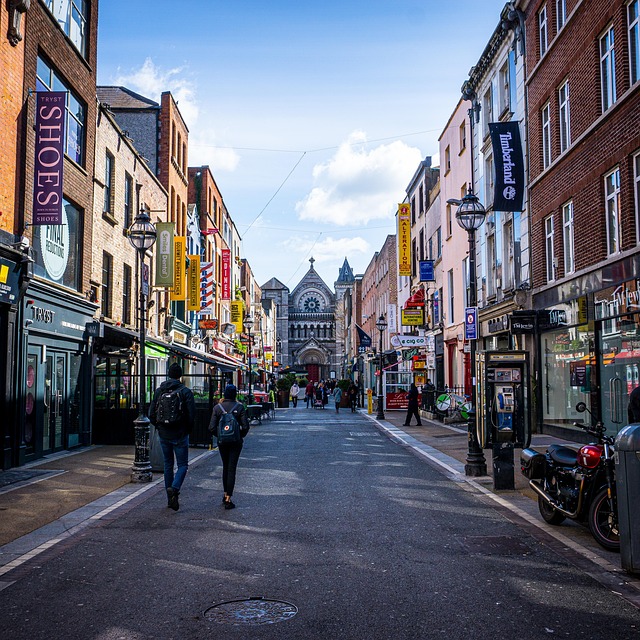
In Dublin, the capital city, time moves fast. People wake up early, commute, and work long hours. Most offices start around 9:00 AM and end by 5:30 PM, though remote and flexible work are becoming common. Coffee shops open early, and traffic peaks between 8:00–9:00 AM and 5:00–6:30 PM.
You’ll notice punctuality matters in Dublin, meetings, public transport, and schedules are taken seriously. The city thrives on energy and efficiency.
Rural Ireland: Slow and Steady
Step into rural Ireland, and time feels different. Locals take life slower, and there’s a sense of ease. You might see someone stop to talk with neighbors for ten minutes, even if they’re technically “running late.”
Shops may close earlier, often around 6:00 PM, and Sundays are notably quieter. It’s less about the clock and more about connection, rest, and rhythm.
That’s what makes Ireland special — this contrast between modern structure and timeless calm.
How Seasons Shape Ireland’s Time
Ireland’s climate and daylight hours shift dramatically throughout the year, influencing how time feels and functions.
Winter: Short Days, Long Nights
From November to February, daylight is limited. The sun can rise as late as 8:30 AM and set by 4:30 PM. This shorter daylight pushes most activities indoors — cozy cafes, fireplaces, and slower evenings become the norm.
Workdays still run the same, but mentally, people adjust. Time feels heavier, slower, and comfort-focused.
Summer: Bright and Lively
Then summer arrives, and everything changes. Between May and July, Ireland enjoys long days — with sunrise before 5:00 AM and sunset close to 10:00 PM.
This extra light transforms daily life. Parks, beaches, and pubs come alive. People eat outside, take longer walks, and stay out late, enjoying that golden evening glow.
Summer in Ireland is where time feels generous. It stretches in a way that invites you to enjoy more of life.
How Irish People View Time
Punctuality and Politeness
Ireland values politeness, but punctuality depends on context. For business meetings or appointments, being on time is respected. For social gatherings, being a few minutes late is perfectly fine — sometimes expected.
It’s part of the country’s friendly, easygoing culture. People value connection over strict schedules.
“There’s No Rush” Attitude
One of the most common phrases you’ll hear in Ireland is “Ah, sure, there’s no rush.” It sums up the Irish relationship with time perfectly. Life happens at its own pace, and stressing about every minute doesn’t fit the Irish way of living.
Still, things get done — just with a smile and a little less tension.
Time for Work and Rest
Typical Work Hours
- Office jobs: 9:00 AM to 5:30 PM
- Shops: 9:00 AM to 6:00 PM
- Restaurants/Pubs: Many open from noon until late (some till midnight or later)
Weekends are highly valued. Most people spend Saturdays running errands or socializing, while Sundays remain quiet and family-focused.
Time Off and Holidays
Ireland recognizes several public holidays, known as bank holidays. These usually happen on Mondays, giving people long weekends to relax or travel.
Here are a few major ones:
- New Year’s Day (January 1)
- St. Patrick’s Day (March 17)
- Easter Monday (varies each year)
- May Day (first Monday in May)
- June Bank Holiday (first Monday in June)
- August Bank Holiday (first Monday in August)
- October Bank Holiday (last Monday in October)
- Christmas and St. Stephen’s Day (December 25–26)
These days reflect how Ireland balances work and rest — time isn’t just managed; it’s celebrated.
Ireland Time for Travelers
If you’re visiting, knowing Ireland’s time difference can save you a lot of confusion — especially if you’re flying from the U.S., Canada, or Asia.
Here’s a quick guide:
| Region | Difference from Ireland (Winter) | Difference from Ireland (Summer) |
|---|---|---|
| New York | -5 hours | -4 hours |
| Los Angeles | -8 hours | -7 hours |
| Toronto | -5 hours | -4 hours |
| Sydney | +11 hours | +10 hours |
| Tokyo | +9 hours | +8 hours |
| Dubai | +4 hours | +3 hours |
When traveling, always check whether daylight saving time is active, because it shifts those differences slightly.
Time in Daily Life
Morning Routine
Most Irish mornings start early. The day kicks off with coffee, quick breakfasts like toast or porridge, and school or work runs. Public transport and roads get busy between 7:30 and 9:00 AM.
Lunchtime
Lunch usually happens between 12:00 PM and 2:00 PM, often short and simple — sandwiches, soups, or wraps are popular choices. Many offices have a half-hour or one-hour break.
Evenings
Evenings are relaxed. After work, pubs fill with laughter and conversation. Dinner is often between 6:00 PM and 8:00 PM, followed by time with family, TV shows, or leisure.
Weekends shift everything — brunches, late nights, and easy mornings become part of the rhythm.
The Digital and Global Impact on Ireland’s Time
Technology has changed how Ireland interacts with time. Remote work, global meetings, and online businesses mean people adjust their schedules to connect with others across time zones.
A professional in Dublin might have a 7:00 AM video call with New York or a late meeting with colleagues in Asia. Despite these shifts, there’s still a strong sense of maintaining balance. Irish culture values human connection and downtime, even in a fast-paced digital world.
The Emotional Feel of Time in Ireland
There’s something emotionally rich about how time flows in Ireland. Maybe it’s the scenery, rolling green hills, quiet lakes, and soft rain that slows everything down. Or maybe it’s the people, friendly, humorous, never in too much of a hurry.
From my own personal experience, time in Ireland doesn’t feel wasted, even when you’re doing nothing. Sitting in a small café with tea, chatting with a stranger, or watching sheep graze — it all feels meaningful.
Time here isn’t just measured by clocks. It’s measured by moments.
How to Adjust to Ireland’s Time as a Visitor
If you’re flying from abroad, you’ll likely deal with jet lag for the first day or two. Here’s how to adjust quickly:
- Spend time in daylight. Natural light helps your body clock sync faster.
- Avoid naps that last more than an hour. Try to stay awake until local bedtime.
- Eat local mealtimes. This helps your rhythm align with Ireland’s schedule.
- Drink water, not just coffee. Hydration helps you recover from travel fatigue.
- Plan relaxing first days. Avoid cramming too much into your schedule.
Within 48 hours, your body will start syncing with Irish time.
The Cultural Value of Time in Ireland
Time in Ireland carries emotional and cultural weight. It’s tied to storytelling, family traditions, and the rhythm of community life.
Even today, conversations over tea can stretch for hours. People remember birthdays, celebrate milestones, and make time to talk, really talk.
You’ll rarely find a moment that feels rushed or impersonal. There’s warmth in how time is shared here.
Fun Facts About Ireland’s Time
- Ireland is one of the few countries that names its daylight saving time differently — instead of “Daylight Time,” it’s called Irish Standard Time.
- Before 1916, Ireland used Dublin Mean Time, which was 25 minutes and 21 seconds behind GMT.
- St. Patrick’s Day always operates on Irish local time — so if you’re joining global celebrations, remember that parades and events follow GMT or IST depending on the season.
- Sunsets in summer can last an hour, creating beautiful “golden hours” photographers love.
- Irish pubs and nightlife tend to peak around 10:00 PM, making time feel flexible and social.
Final Thoughts
“Ireland time now” isn’t just about checking your phone or clock — it’s about feeling the pulse of a country where time moves with purpose and peace.
Based on my overall experience, Ireland teaches that time doesn’t have to be rushed to be meaningful. It’s okay to slow down, enjoy the moment, and live with balance.
So next time you ask, “What time is it in Ireland right now?” remember: it’s not just GMT or IST. It’s the rhythm of life — calm, connected, and beautifully human.