
 @Where4.90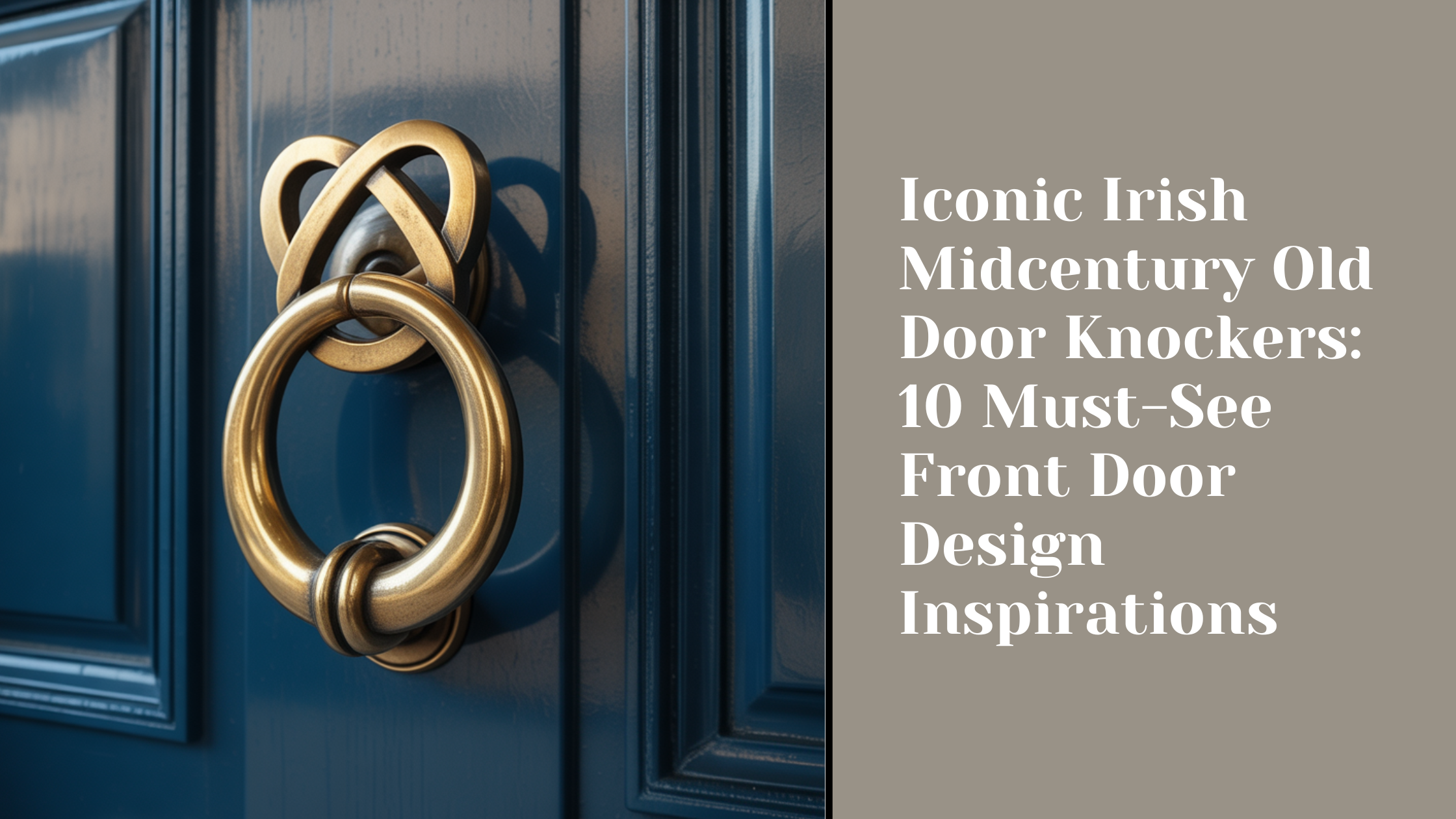
Your front door speaks before you do. It greets guests. It sets the tone. It hints at what waits inside. And in Ireland, one small detail often carries centuries of charm, history, and quiet pride: the door knocker.
Walk through Dublin, Cork, Galway, or a small coastal village, and you will notice them. Brass lions with worn noses. Elegant rings shaped like hands. Harps, shamrocks, mythical creatures, and bold geometric forms from the midcentury era. These knockers do more than make noise. They tell stories.
If you love design, history, or simply beautiful homes, you are about to explore something special. Let’s look at the meaning behind iconic Irish midcentury old door knockers and discover ten must-see front door design inspirations that you will truly love to explore.
The Meaning Behind Irish Door Knockers
A door knocker may seem like a simple tool. You lift it. You knock. Someone answers. But in Ireland, the knocker carries deeper meaning.
For centuries, Irish homes featured strong wooden doors painted in rich colors. Red, blue, green, and black stood proudly against rows of brick houses. The knocker became the jewelry of the door. It added character. It showed taste. It reflected tradition.
In many older neighborhoods, the style of your door knocker hinted at your status, your beliefs, or your family heritage. A harp symbol often represented national pride. A lion head suggested strength and protection. A hand-shaped knocker, sometimes called a “Claddagh hand” variation, symbolized friendship and loyalty.
During the midcentury period, especially from the 1940s to the 1970s, design shifted. Clean lines, bold shapes, and strong materials gained popularity. Irish door knockers began to reflect this new approach. Craftsmen mixed tradition with modern style. The result was timeless.
Based on my overall experience visiting historic neighborhoods and studying traditional home details, I can tell you that once you start noticing door knockers, you cannot stop. You will slow down on your walks. You will take photos. You may even knock on a stranger’s door just to see it up close. I do not always recommend that last option, but the temptation is real.
Why Midcentury Irish Door Knockers Still Matter
Midcentury design focused on simplicity and function. At the same time, it valued craftsmanship. Irish artisans understood metal. They shaped brass, bronze, and iron with care. They created pieces that felt solid in your hand.
These knockers have survived wind, rain, salt air, and time. Ireland’s weather is not gentle. Yet many midcentury knockers still shine after decades of use. That durability adds to their appeal.
You may ask, why care about a door knocker today when most homes have doorbells? The answer is simple. A door knocker feels personal. It creates a physical connection between visitor and home. The sound of metal against wood carries weight. It feels intentional.
And from a design point of view, it is a detail that can transform an ordinary entrance into something unforgettable.
Now, let’s explore ten iconic styles that you truly need to see.
The Classic Irish Lion Head Knocker
The lion head knocker is bold. It commands attention. You see it often on Georgian doors in Dublin, but midcentury versions gave it a slightly cleaner, more defined look.
The lion usually holds a ring in its mouth. The metal ring strikes a round plate when lifted. The face often features sharp eyes and a strong mane. Over time, the nose becomes polished from years of touch.
The meaning behind the lion is strength and protection. It sends a clear message. This home stands firm.
If you want a front door that feels powerful and traditional, this is a must-see design inspiration. Pair it with a deep red or navy blue door, and you create a look that feels both historic and confident.
The Irish Harp Knocker
The harp is a national symbol of Ireland. You see it on coins, official documents, and historic buildings. When shaped into a door knocker, it becomes a subtle statement of pride.
Midcentury harp knockers often featured cleaner lines than older ornate versions. The strings appeared simple yet defined. The frame felt balanced and symmetrical.
The meaning is clear. The harp represents heritage, music, and cultural identity. If you love Irish history, this design is something you will truly love to explore.
Imagine a glossy black door with a polished brass harp knocker. It feels elegant. It feels proud. It feels connected to place.
The Claddagh-Inspired Hand Knocker
The Claddagh symbol shows two hands holding a heart topped with a crown. It stands for love, loyalty, and friendship. While not every hand-shaped knocker includes the full Claddagh symbol, many midcentury versions draw inspiration from it.
You will see knockers shaped like a hand gripping a small ball or ring. The detail may be simple, yet the meaning feels strong.
This design suits homes that value warmth and welcome. It tells guests that they are entering a place of care and connection.
And let’s be honest. There is something slightly dramatic about knocking with a metal hand. It feels theatrical in the best way.
The Shamrock Motif Knocker
The shamrock represents luck and Irish identity. Midcentury designers often simplified the three-leaf shape into clean, rounded forms.
A shamrock knocker usually features a central stem with three balanced leaves forming the striking surface. The design feels playful yet refined.
If you want your front door to reflect Irish charm without going over the top, this is a design you truly need to see. It works beautifully on soft green, cream, or even bold turquoise doors.
The Celtic Knot Knocker
Celtic knots symbolize eternity and interconnected life. The lines loop endlessly without a clear beginning or end.
Midcentury versions of Celtic knot knockers reduced heavy ornamentation and focused on strong, flowing lines. The result feels balanced and modern, yet rooted in ancient tradition.
When you explore older Irish streets, you may notice these designs on both urban and rural homes. They feel thoughtful. They suggest depth.
If you enjoy meaningful details in your decor, this is one style you will truly love to explore.
The Minimalist Ring Knocker
Not every iconic design needs a symbol. Some midcentury Irish knockers embraced pure form.
The minimalist ring knocker features a simple circular ring attached to a small mount. The lines are clean. The shape is bold in its simplicity.
This design fits well with midcentury modern homes. It also works beautifully on restored townhouses where you want to blend old and new.
Sometimes less truly is more. And sometimes a perfect circle can say everything without saying a word.
The Mythical Creature Knocker
Ireland’s folklore includes dragons, sea serpents, and other mythical beings. Some midcentury craftsmen created knockers shaped like stylized creatures.
These designs often feature elongated forms, curved tails, and textured surfaces. They feel artistic and slightly mysterious.
If you want your entrance to spark curiosity, this is a must-see style. It invites questions. It encourages conversation.
Just be prepared. Guests may spend more time examining your door than actually entering your home.
The Geometric Modernist Knocker
The midcentury period embraced geometric shapes. Squares, rectangles, and abstract forms appeared in architecture and furniture.
Irish door knockers followed this trend. Some featured rectangular plates with strong linear handles. Others combined circles and bars in striking arrangements.
These designs feel bold and architectural. They suit homes that embrace midcentury modern style.
If you love clean structure and confident design, you will truly love to explore this option.
The Maritime Anchor Knocker
Ireland’s coastline influences many design details. In seaside towns, anchor-shaped knockers became popular.
The anchor symbolizes hope and stability. Midcentury versions often featured simplified lines and solid construction.
Pair an anchor knocker with a deep blue or weathered wood door, and you create a look that feels coastal and grounded.
This is a design you truly need to see if you love the sea.
The Rustic Iron Knocker
Not all midcentury knockers were polished brass. Some featured dark iron with hammered texture.
These rustic designs feel earthy and strong. They suit stone cottages and rural homes. The sound of iron against wood carries a deep tone that feels authentic.
If you want a front door that feels grounded and honest, this is a must-see inspiration.
Things to Do When Exploring Irish Door Knockers
If you plan to explore these iconic designs in person, here are simple ideas.
Walk through historic neighborhoods in Dublin such as Merrion Square or Fitzwilliam Square. Look closely at each door. Notice color and hardware combinations.
Visit smaller towns. Often, you will find hidden gems away from busy streets.
Take photos from different angles. Light changes how metal shines.
Research local antique shops. You may discover authentic midcentury pieces available for restoration.
And most important, slow down. Let yourself appreciate small details. Design lives in those details.
How to Choose the Right Knocker for Your Own Door
If you feel inspired to add an Irish midcentury knocker to your home, consider a few points.
Think about your door color. Brass stands out against dark shades. Black iron pairs well with natural wood.
Consider scale. A large lion head suits a tall, grand entrance. A smaller ring works better on a modest door.
Reflect on meaning. Do you value heritage, strength, warmth, or simplicity? Choose a symbol that aligns with what you want your home to express.
And remember practicality. Ensure the knocker feels comfortable to lift and creates a clear sound.
Why These Designs You’ll Truly Love to Explore
These iconic Irish midcentury old door knockers offer more than decoration. They connect past and present. They reflect identity. They show care.
You do not need to renovate an entire house to create impact. Sometimes one thoughtful detail changes everything.
When you next stand before a colorful Irish door, look at the knocker. Notice its shape. Imagine the hands that have touched it over the years. Imagine the stories it has heard.
You will begin to see front doors differently. You will start to notice design in everyday places.
And that is the true beauty of exploring iconic Irish midcentury old door knockers. They remind you that even the smallest details can hold history, meaning, and style.
Once you start looking, you will truly love what you find.